Buy kollegen.eu ?
We are moving the project
kollegen.eu .
Are you interested in purchasing the domain
kollegen.eu ?
domain@kv-gmbh.de · 0541-91531010
Buy kollegen.eu ?
How does American capitalism differ from Russian capitalism?
American capitalism is characterized by a more free-market approach, with less government intervention in the economy compared to Russian capitalism. In the United States, there is a strong emphasis on private ownership, competition, and individual entrepreneurship. On the other hand, Russian capitalism has been influenced by its history of state control and government involvement in the economy, leading to a more centralized and oligarchic system. Additionally, the legal and regulatory frameworks in both countries differ, impacting the way businesses operate and compete in each respective market. **
Will capitalism remain?
It is difficult to predict the future with certainty, but capitalism has proven to be a resilient economic system that has adapted to various challenges over time. While there may be calls for reform or changes to address issues such as income inequality or environmental sustainability, it is likely that capitalism will continue to be a dominant economic system in many parts of the world. However, it may evolve and incorporate new ideas and practices to address the changing needs and demands of society. **

Similar search terms for Capitalism
Top-Angebote
Products related to Capitalism:
-
The Readers Paradise Counseling Skills For Managers by Prof. N.K. Daniel - Paperback - Leadership, Coaching & Workplace Ethics Guide for Managers and HR ProfessionalsCounseling Skills For Managers is a practical guide that helps leaders develop essential counseling skills for the workplace. Written for managers, team leads, HR professionals, and aspiring executives, it covers foundational counseling theory and its strategic application in corporate settings. The book teaches readers how to listen with empathy, structure coaching conversations, resolve role conflicts, and support colleagues through change and difficulty, all while maintaining clear ethical boundaries. This guide is a valuable addition to any professional development or leadership library, offering a unique blend of psychology and management principles in an accessible format.2,99 £*Shipping: 2,99 £Secure redirect to the provider
-
Rupa Publications India Bee-come Indispensable: 15 Workplace Lessons from the Bees by John Britt & Jan Green - Business & Workplace Non Fiction PaperbackDiscover the secrets of a thriving workplace with Bee-come Indispensable: 15 Workplace Lessons from the Bees. Written by John Britt and Jan Green, this witty business parable uses the inner workings of a beehive to explore what it takes to become a valued, trusted employee or manager. The book blends storytelling with practical workplace advice, showing readers how alignment, collaboration, and contribution keep an organization thriving. Inside a beehive, every bee has a role to play, and the colony only produces its best honey when each member works in sync with the needs of the group. Britt and Green use this natural metaphor to unpack the challenges faced inside modern workplaces, from meeting deadlines and hitting targets to building trust with managers and leadership. The book is structured around fifteen distinct lessons that offer valuable insights for anyone looking to make themselves indispensable to their team.4,99 £*Shipping: 2,99 £Secure redirect to the provider



-
Capitalism or Communism?
The choice between capitalism and communism ultimately depends on one's values and beliefs. Capitalism promotes individual freedom, competition, and innovation, but can also lead to income inequality and exploitation. On the other hand, communism aims for equality, collective ownership, and social welfare, but can stifle individual initiative and creativity. Both systems have their strengths and weaknesses, and the best choice may lie in finding a balance between the two that addresses the needs of society while respecting individual rights. **
-
Capitalism or democracy?
Capitalism and democracy are two distinct systems that can coexist but are not interchangeable. Capitalism is an economic system based on private ownership and the pursuit of profit, while democracy is a political system based on the principles of equality, freedom, and participation. While capitalism can thrive in a democratic society, it can also lead to inequality and exploitation if not regulated properly. Ultimately, both systems have their strengths and weaknesses, and a balance between the two is necessary for a fair and just society. **
-
When was capitalism?
Capitalism as an economic system began to emerge in the late Middle Ages and early modern period in Europe, but it became more prominent during the Industrial Revolution in the 18th and 19th centuries. **
-
What describes capitalism?
Capitalism is an economic system characterized by private ownership of the means of production, profit motive, competition, and market-based allocation of resources. **


Is capitalism unfair?
The fairness of capitalism is a matter of perspective. Proponents argue that capitalism provides opportunities for individuals to succeed based on their hard work and innovation, creating a meritocratic system. However, critics argue that capitalism can lead to inequality and exploitation, as it often benefits those who already have wealth and power. Ultimately, the fairness of capitalism depends on how it is regulated and the extent to which it addresses issues of inequality and social justice. **
Is capitalism inevitable?
The inevitability of capitalism is a topic of debate among economists and scholars. Some argue that capitalism is the most efficient and productive economic system, and therefore inevitable in the long run. Others believe that alternative economic systems, such as socialism or communism, could potentially replace capitalism in the future. Ultimately, the future of capitalism will depend on various factors including technological advancements, political decisions, and societal values. Therefore, it is not possible to definitively say whether capitalism is inevitable or not. **
Top-Angebote
Products related to Capitalism:
-
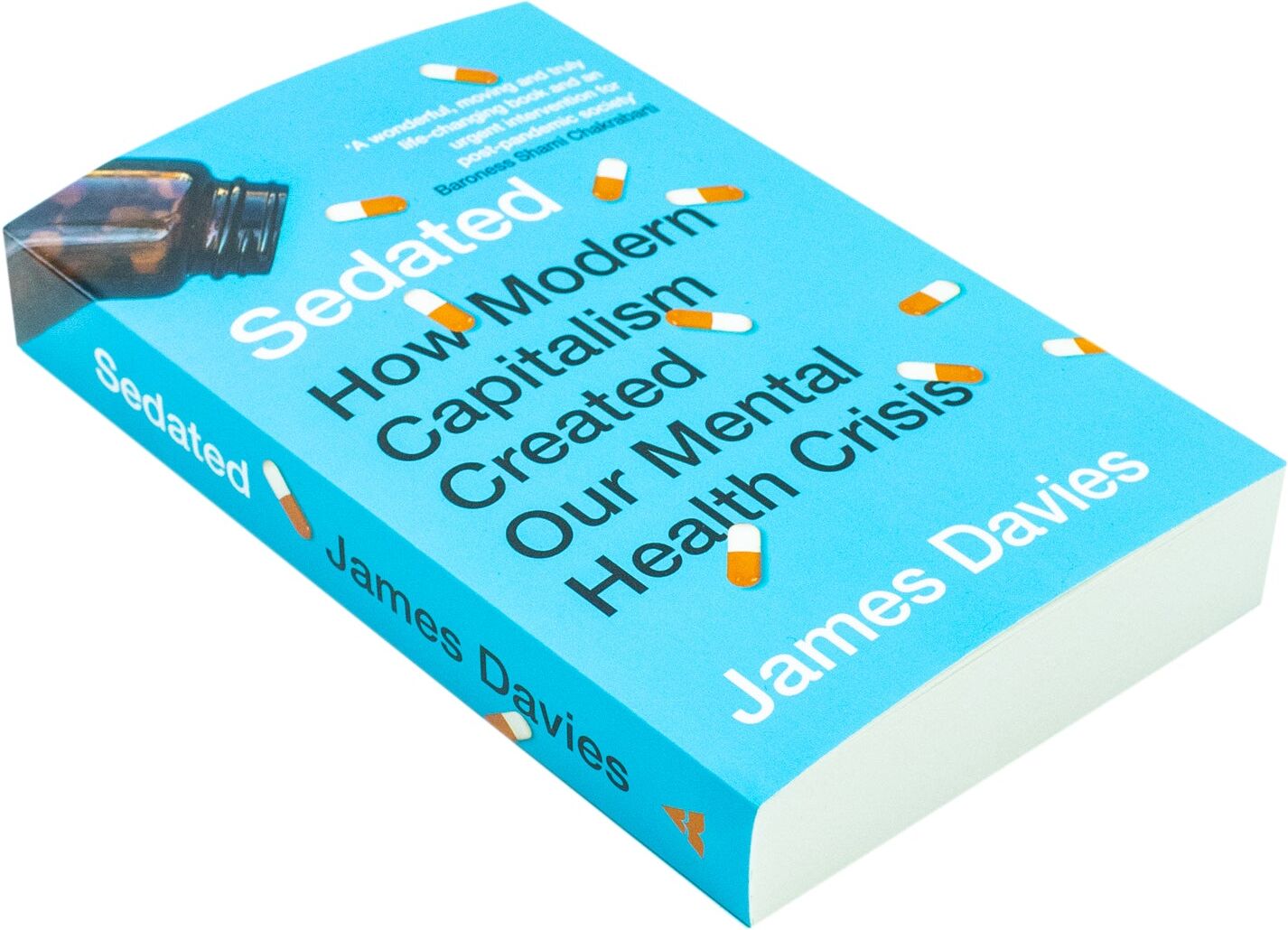
Atlantic Books Sedated: How Modern Capitalism Created our Mental Health Crisis by James DaviesA provocative and shocking look at how western society is misunderstanding and mistreating mental illness. Perfect for fans of Empire of Pain and Dope Sick. In Britain alone, more than 20% of the adult population take a psychiatric drug in any one year. This is an increase of over 500% since 1980 and the numbers continue to grow. Yet, despite this prescription epidemic, levels of mental illness of all types have actually increased in number and severity. Using a wealth of studies, interviews with experts, and detailed analysis, Dr James Davies argues that this is because we have fundamentally mischaracterised the problem. Rather than viewing most mental distress as an understandable reaction to wider societal problems, we have embraced a medical model which situates the problem solely within the sufferer and their brain. Urgent and persuasive, Sedated systematically examines why this individualistic view of mental illness has been promoted by successive governments and big business - and why it is so misplaced and dangerous.3,99 £*Shipping: 1,99 £Secure redirect to the provider
-
MACMILLAN Kim Scott Collection 2 Books Set Radical Respect & Radical Candor – Leadership, Communication & Workplace Culture GuidesThe Kim Scott Collection – 2 Books Set brings together two transformative leadership bestsellers: Radical Respect and Radical Candor. Written by acclaimed workplace expert Kim Scott, these books offer practical, honest, and empowering guidance for building stronger teams, better communication, and healthier workplace cultures. In Radical Candor, Scott introduces her now-famous framework:Care Personally + Challenge Directly.Learn how to deliver feedback effectively, build trust, and lead with clarity without becoming overly harsh or avoiding difficult conversations. In Radical Respect, Scott expands on inclusion, fairness, accountability and anti-bullying frameworks—showing readers how to build workplaces rooted in dignity, psychological safety, and genuine respect. Together, these books provide a complete roadmap for leaders, managers, HR teams and anyone who wants to communicate better, lead with courage, and create workplaces where people thrive.6,99 £*Shipping: 2,99 £Secure redirect to the provider
-
The Readers Paradise Counseling Skills For Managers by Prof. N.K. Daniel - Paperback - Leadership, Coaching & Workplace Ethics Guide for Managers and HR ProfessionalsCounseling Skills For Managers is a practical guide that helps leaders develop essential counseling skills for the workplace. Written for managers, team leads, HR professionals, and aspiring executives, it covers foundational counseling theory and its strategic application in corporate settings. The book teaches readers how to listen with empathy, structure coaching conversations, resolve role conflicts, and support colleagues through change and difficulty, all while maintaining clear ethical boundaries. This guide is a valuable addition to any professional development or leadership library, offering a unique blend of psychology and management principles in an accessible format.2,99 £*Shipping: 2,99 £Secure redirect to the provider
-
Rupa Publications India Bee-come Indispensable: 15 Workplace Lessons from the Bees by John Britt & Jan Green - Business & Workplace Non Fiction PaperbackDiscover the secrets of a thriving workplace with Bee-come Indispensable: 15 Workplace Lessons from the Bees. Written by John Britt and Jan Green, this witty business parable uses the inner workings of a beehive to explore what it takes to become a valued, trusted employee or manager. The book blends storytelling with practical workplace advice, showing readers how alignment, collaboration, and contribution keep an organization thriving. Inside a beehive, every bee has a role to play, and the colony only produces its best honey when each member works in sync with the needs of the group. Britt and Green use this natural metaphor to unpack the challenges faced inside modern workplaces, from meeting deadlines and hitting targets to building trust with managers and leadership. The book is structured around fifteen distinct lessons that offer valuable insights for anyone looking to make themselves indispensable to their team.4,99 £*Shipping: 2,99 £Secure redirect to the provider
-
How does American capitalism differ from Russian capitalism?
American capitalism is characterized by a more free-market approach, with less government intervention in the economy compared to Russian capitalism. In the United States, there is a strong emphasis on private ownership, competition, and individual entrepreneurship. On the other hand, Russian capitalism has been influenced by its history of state control and government involvement in the economy, leading to a more centralized and oligarchic system. Additionally, the legal and regulatory frameworks in both countries differ, impacting the way businesses operate and compete in each respective market. **
-
Will capitalism remain?
It is difficult to predict the future with certainty, but capitalism has proven to be a resilient economic system that has adapted to various challenges over time. While there may be calls for reform or changes to address issues such as income inequality or environmental sustainability, it is likely that capitalism will continue to be a dominant economic system in many parts of the world. However, it may evolve and incorporate new ideas and practices to address the changing needs and demands of society. **
-
Capitalism or Communism?
The choice between capitalism and communism ultimately depends on one's values and beliefs. Capitalism promotes individual freedom, competition, and innovation, but can also lead to income inequality and exploitation. On the other hand, communism aims for equality, collective ownership, and social welfare, but can stifle individual initiative and creativity. Both systems have their strengths and weaknesses, and the best choice may lie in finding a balance between the two that addresses the needs of society while respecting individual rights. **
-
Capitalism or democracy?
Capitalism and democracy are two distinct systems that can coexist but are not interchangeable. Capitalism is an economic system based on private ownership and the pursuit of profit, while democracy is a political system based on the principles of equality, freedom, and participation. While capitalism can thrive in a democratic society, it can also lead to inequality and exploitation if not regulated properly. Ultimately, both systems have their strengths and weaknesses, and a balance between the two is necessary for a fair and just society. **
Similar search terms for Capitalism
-
When was capitalism?
Capitalism as an economic system began to emerge in the late Middle Ages and early modern period in Europe, but it became more prominent during the Industrial Revolution in the 18th and 19th centuries. **
-
What describes capitalism?
Capitalism is an economic system characterized by private ownership of the means of production, profit motive, competition, and market-based allocation of resources. **
-
Is capitalism unfair?
The fairness of capitalism is a matter of perspective. Proponents argue that capitalism provides opportunities for individuals to succeed based on their hard work and innovation, creating a meritocratic system. However, critics argue that capitalism can lead to inequality and exploitation, as it often benefits those who already have wealth and power. Ultimately, the fairness of capitalism depends on how it is regulated and the extent to which it addresses issues of inequality and social justice. **
-
Is capitalism inevitable?
The inevitability of capitalism is a topic of debate among economists and scholars. Some argue that capitalism is the most efficient and productive economic system, and therefore inevitable in the long run. Others believe that alternative economic systems, such as socialism or communism, could potentially replace capitalism in the future. Ultimately, the future of capitalism will depend on various factors including technological advancements, political decisions, and societal values. Therefore, it is not possible to definitively say whether capitalism is inevitable or not. **
* All prices are inclusive of VAT and, if applicable, plus shipping costs. The offer information is based on the details provided by the respective shop and is updated through automated processes. Real-time updates do not occur, so deviations can occur in individual cases. ** Note: Parts of this content were created by AI.