Buy kollegen.eu ?
We are moving the project
kollegen.eu .
Are you interested in purchasing the domain
kollegen.eu ?
domain@kv-gmbh.de · 0541-91531010
Buy kollegen.eu ?
What causes colds and dialysis?
Colds are caused by viruses, most commonly the rhinovirus. These viruses are highly contagious and can be spread through the air or by touching contaminated surfaces. Dialysis, on the other hand, is a medical treatment for people with kidney failure. It is necessary when the kidneys are no longer able to filter waste products and excess fluids from the blood. The need for dialysis is often due to chronic conditions such as diabetes or high blood pressure that have damaged the kidneys over time. **
What does Dialysis 256 mean?
Dialysis 256 refers to a type of dialysis treatment that uses a high-flux dialyzer with a surface area of 2.56 square meters. This type of dialysis is used for patients with end-stage renal disease to help remove waste products and excess fluid from the blood when the kidneys are no longer able to perform this function. The larger surface area of the dialyzer allows for more efficient removal of waste products and toxins from the blood, helping to improve the overall effectiveness of the dialysis treatment. **


Similar search terms for Dialysis
Top-Angebote
Products related to Dialysis:
-
Rupa Publications India Bee-come Indispensable: 15 Workplace Lessons from the Bees by John Britt & Jan Green - Business & Workplace Non Fiction PaperbackDiscover the secrets of a thriving workplace with Bee-come Indispensable: 15 Workplace Lessons from the Bees. Written by John Britt and Jan Green, this witty business parable uses the inner workings of a beehive to explore what it takes to become a valued, trusted employee or manager. The book blends storytelling with practical workplace advice, showing readers how alignment, collaboration, and contribution keep an organization thriving. Inside a beehive, every bee has a role to play, and the colony only produces its best honey when each member works in sync with the needs of the group. Britt and Green use this natural metaphor to unpack the challenges faced inside modern workplaces, from meeting deadlines and hitting targets to building trust with managers and leadership. The book is structured around fifteen distinct lessons that offer valuable insights for anyone looking to make themselves indispensable to their team.4,99 £*Shipping: 2,99 £Secure redirect to the provider
-
Loungefly Care Bears x Sesame Street Crossbody Bag - Official Collaboration - Character Artwork - Compact CarryA playful and collectible crossbody bag featuring Care Bears and Sesame Street designs. Ideal for fans who want a compact way to carry essentials while showing off their fandom.75,00 £*Shipping: 0,00 £Secure redirect to the provider
-
SWISSTEN 22071500 Charger Device, mobile communicationPlug Type: Schuko; Connectors/Plugs: USB, USB type-C; Charge Mode: GaN, PD; Overcharging protection: Yes; Overheating protection: Yes; Short Circuit Protection: Yes; Colour: white; Power [W]: 12; Number of inlets/outlets: 27,99 £*Shipping: 8,45 £Secure redirect to the provider



-
What is meant by dialysis?
Dialysis is a medical procedure used to remove waste products and excess fluids from the blood when the kidneys are no longer able to perform this function effectively. There are two main types of dialysis: hemodialysis, which involves using a machine to filter the blood, and peritoneal dialysis, which involves using the lining of the abdomen to filter the blood. Dialysis is a life-saving treatment for individuals with kidney failure, helping to maintain their overall health and well-being. **
-
How does blood washing work in dialysis?
Blood washing in dialysis involves removing waste products and excess fluids from the blood by passing it through a dialyzer, which acts as an artificial kidney. The dialyzer contains a semipermeable membrane that allows waste products and excess fluids to pass through while retaining essential substances in the blood. As the blood flows through the dialyzer, it is cleaned and filtered before being returned to the body. This process helps to maintain the body's overall balance of electrolytes and fluids. **
-
Who covers the costs of dialysis transportation?
In most cases, the costs of dialysis transportation are covered by health insurance. Medicare typically covers transportation to and from dialysis treatments for individuals with end-stage renal disease. Private health insurance plans may also cover transportation costs for dialysis patients. Some dialysis centers may offer transportation services or assistance with arranging transportation for their patients. **
-
Is there no distilled water used in dialysis?
Distilled water is not typically used in dialysis procedures. Instead, dialysis machines use specially prepared dialysate solution, which is a mixture of electrolytes and purified water. This dialysate solution helps remove waste and excess fluid from the blood during dialysis treatment. Using distilled water in dialysis could potentially disrupt the balance of electrolytes in the patient's blood. **

Can a dialysis patient engage in strength training?
Yes, dialysis patients can engage in strength training, but it is important for them to do so under the guidance of their healthcare team. Strength training can help improve muscle strength, endurance, and overall physical function in dialysis patients. However, it is crucial for the exercise program to be tailored to the individual's specific needs and limitations, taking into account their overall health and any potential complications related to their condition. It is recommended for dialysis patients to consult with their healthcare team, including their nephrologist and a qualified exercise professional, to develop a safe and effective strength training program. **
Does the dialysis patient give me his number?
The decision to give out personal contact information is ultimately up to the dialysis patient. It is important to respect their privacy and boundaries. If the patient feels comfortable and wants to share their contact information with you, they may do so. However, it is important to maintain professional boundaries and only use their contact information for appropriate and necessary communication related to their care. **
Top-Angebote
Products related to Dialysis:
-
MACMILLAN Kim Scott Collection 2 Books Set Radical Respect & Radical Candor – Leadership, Communication & Workplace Culture GuidesThe Kim Scott Collection – 2 Books Set brings together two transformative leadership bestsellers: Radical Respect and Radical Candor. Written by acclaimed workplace expert Kim Scott, these books offer practical, honest, and empowering guidance for building stronger teams, better communication, and healthier workplace cultures. In Radical Candor, Scott introduces her now-famous framework:Care Personally + Challenge Directly.Learn how to deliver feedback effectively, build trust, and lead with clarity without becoming overly harsh or avoiding difficult conversations. In Radical Respect, Scott expands on inclusion, fairness, accountability and anti-bullying frameworks—showing readers how to build workplaces rooted in dignity, psychological safety, and genuine respect. Together, these books provide a complete roadmap for leaders, managers, HR teams and anyone who wants to communicate better, lead with courage, and create workplaces where people thrive.6,99 £*Shipping: 2,99 £Secure redirect to the provider
-
The Readers Paradise Counseling Skills For Managers by Prof. N.K. Daniel - Paperback - Leadership, Coaching & Workplace Ethics Guide for Managers and HR ProfessionalsCounseling Skills For Managers is a practical guide that helps leaders develop essential counseling skills for the workplace. Written for managers, team leads, HR professionals, and aspiring executives, it covers foundational counseling theory and its strategic application in corporate settings. The book teaches readers how to listen with empathy, structure coaching conversations, resolve role conflicts, and support colleagues through change and difficulty, all while maintaining clear ethical boundaries. This guide is a valuable addition to any professional development or leadership library, offering a unique blend of psychology and management principles in an accessible format.2,99 £*Shipping: 2,99 £Secure redirect to the provider
-
Rupa Publications India Bee-come Indispensable: 15 Workplace Lessons from the Bees by John Britt & Jan Green - Business & Workplace Non Fiction PaperbackDiscover the secrets of a thriving workplace with Bee-come Indispensable: 15 Workplace Lessons from the Bees. Written by John Britt and Jan Green, this witty business parable uses the inner workings of a beehive to explore what it takes to become a valued, trusted employee or manager. The book blends storytelling with practical workplace advice, showing readers how alignment, collaboration, and contribution keep an organization thriving. Inside a beehive, every bee has a role to play, and the colony only produces its best honey when each member works in sync with the needs of the group. Britt and Green use this natural metaphor to unpack the challenges faced inside modern workplaces, from meeting deadlines and hitting targets to building trust with managers and leadership. The book is structured around fifteen distinct lessons that offer valuable insights for anyone looking to make themselves indispensable to their team.4,99 £*Shipping: 2,99 £Secure redirect to the provider
-
What causes colds and dialysis?
Colds are caused by viruses, most commonly the rhinovirus. These viruses are highly contagious and can be spread through the air or by touching contaminated surfaces. Dialysis, on the other hand, is a medical treatment for people with kidney failure. It is necessary when the kidneys are no longer able to filter waste products and excess fluids from the blood. The need for dialysis is often due to chronic conditions such as diabetes or high blood pressure that have damaged the kidneys over time. **
-
What does Dialysis 256 mean?
Dialysis 256 refers to a type of dialysis treatment that uses a high-flux dialyzer with a surface area of 2.56 square meters. This type of dialysis is used for patients with end-stage renal disease to help remove waste products and excess fluid from the blood when the kidneys are no longer able to perform this function. The larger surface area of the dialyzer allows for more efficient removal of waste products and toxins from the blood, helping to improve the overall effectiveness of the dialysis treatment. **
-
What is meant by dialysis?
Dialysis is a medical procedure used to remove waste products and excess fluids from the blood when the kidneys are no longer able to perform this function effectively. There are two main types of dialysis: hemodialysis, which involves using a machine to filter the blood, and peritoneal dialysis, which involves using the lining of the abdomen to filter the blood. Dialysis is a life-saving treatment for individuals with kidney failure, helping to maintain their overall health and well-being. **
-
How does blood washing work in dialysis?
Blood washing in dialysis involves removing waste products and excess fluids from the blood by passing it through a dialyzer, which acts as an artificial kidney. The dialyzer contains a semipermeable membrane that allows waste products and excess fluids to pass through while retaining essential substances in the blood. As the blood flows through the dialyzer, it is cleaned and filtered before being returned to the body. This process helps to maintain the body's overall balance of electrolytes and fluids. **
Similar search terms for Dialysis
-
Loungefly Care Bears x Sesame Street Crossbody Bag - Official Collaboration - Character Artwork - Compact CarryA playful and collectible crossbody bag featuring Care Bears and Sesame Street designs. Ideal for fans who want a compact way to carry essentials while showing off their fandom.75,00 £*Shipping: 0,00 £Secure redirect to the provider
-
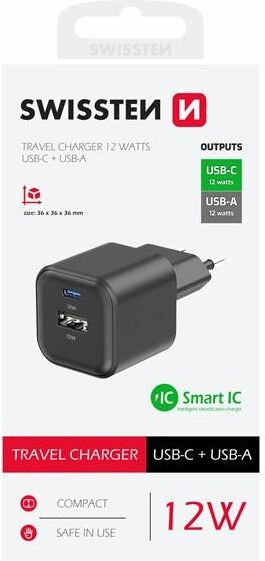
SWISSTEN 22071500 Charger Device, mobile communicationPlug Type: Schuko; Connectors/Plugs: USB, USB type-C; Charge Mode: GaN, PD; Overcharging protection: Yes; Overheating protection: Yes; Short Circuit Protection: Yes; Colour: white; Power [W]: 12; Number of inlets/outlets: 27,99 £*Shipping: 8,45 £Secure redirect to the provider
-
SWISSTEN 22071510 Charger Device, mobile communicationPlug Type: Schuko; Connectors/Plugs: USB type-C, USB; Charge Mode: GaN, PD; Overcharging protection: Yes; Overheating protection: Yes; Short Circuit Protection: Yes; Colour: black; Number of inlets/outlets: 2; Power [W]: 127,99 £*Shipping: 8,45 £Secure redirect to the provider
-
Who covers the costs of dialysis transportation?
In most cases, the costs of dialysis transportation are covered by health insurance. Medicare typically covers transportation to and from dialysis treatments for individuals with end-stage renal disease. Private health insurance plans may also cover transportation costs for dialysis patients. Some dialysis centers may offer transportation services or assistance with arranging transportation for their patients. **
-
Is there no distilled water used in dialysis?
Distilled water is not typically used in dialysis procedures. Instead, dialysis machines use specially prepared dialysate solution, which is a mixture of electrolytes and purified water. This dialysate solution helps remove waste and excess fluid from the blood during dialysis treatment. Using distilled water in dialysis could potentially disrupt the balance of electrolytes in the patient's blood. **
-
Can a dialysis patient engage in strength training?
Yes, dialysis patients can engage in strength training, but it is important for them to do so under the guidance of their healthcare team. Strength training can help improve muscle strength, endurance, and overall physical function in dialysis patients. However, it is crucial for the exercise program to be tailored to the individual's specific needs and limitations, taking into account their overall health and any potential complications related to their condition. It is recommended for dialysis patients to consult with their healthcare team, including their nephrologist and a qualified exercise professional, to develop a safe and effective strength training program. **
-
Does the dialysis patient give me his number?
The decision to give out personal contact information is ultimately up to the dialysis patient. It is important to respect their privacy and boundaries. If the patient feels comfortable and wants to share their contact information with you, they may do so. However, it is important to maintain professional boundaries and only use their contact information for appropriate and necessary communication related to their care. **
* All prices are inclusive of VAT and, if applicable, plus shipping costs. The offer information is based on the details provided by the respective shop and is updated through automated processes. Real-time updates do not occur, so deviations can occur in individual cases. ** Note: Parts of this content were created by AI.