Buy kollegen.eu ?
We are moving the project
kollegen.eu .
Are you interested in purchasing the domain
kollegen.eu ?
domain@kv-gmbh.de · 0541-91531010
Buy kollegen.eu ?
Can I see the ISS?
Yes, the International Space Station (ISS) is visible from Earth and can be seen with the naked eye. The best time to see the ISS is during the early morning or evening when the sky is dark but the sun is still reflecting off the station. You can use websites or apps that track the ISS's location to know when it will be visible from your location. Keep in mind that the visibility of the ISS depends on weather conditions and the station's orbit. **
How is the ISS heated?
The International Space Station (ISS) is heated using a combination of methods. The primary source of heat comes from the station's solar panels, which convert sunlight into electricity to power heaters throughout the station. Additionally, the ISS has a complex system of pipes that circulate a special coolant to transfer heat away from sensitive equipment and distribute it to other areas of the station. This combination of solar power and a sophisticated thermal control system helps to maintain a comfortable temperature for the astronauts and keep the station's systems functioning properly in the extreme conditions of space. **

Similar search terms for Iss
Top-Angebote
Products related to Iss:
-
The Readers Paradise Counseling Skills For Managers by Prof. N.K. Daniel - Paperback - Leadership, Coaching & Workplace Ethics Guide for Managers and HR ProfessionalsCounseling Skills For Managers is a practical guide that helps leaders develop essential counseling skills for the workplace. Written for managers, team leads, HR professionals, and aspiring executives, it covers foundational counseling theory and its strategic application in corporate settings. The book teaches readers how to listen with empathy, structure coaching conversations, resolve role conflicts, and support colleagues through change and difficulty, all while maintaining clear ethical boundaries. This guide is a valuable addition to any professional development or leadership library, offering a unique blend of psychology and management principles in an accessible format.2,99 £*Shipping: 2,99 £Secure redirect to the provider



-
Is smoking allowed on the ISS?
No, smoking is not allowed on the International Space Station (ISS) due to the confined and controlled environment of the spacecraft. Smoking poses a serious fire hazard and can compromise the safety of the crew and the station itself. Additionally, smoking in space can have negative health effects on astronauts due to the limited ventilation and recycled air on the ISS. **
-
What acceleration does the ISS experience?
The International Space Station (ISS) experiences an acceleration due to the gravitational force of Earth, which is approximately 9.81 m/s^2. This acceleration keeps the ISS in orbit around the Earth, counteracting the force of gravity and allowing it to maintain a constant speed and altitude. Additionally, the ISS may also experience small accelerations due to the effects of atmospheric drag and the occasional thruster firings for reboosting its orbit. **
-
What forces act on the ISS?
The International Space Station (ISS) experiences several forces while in orbit around the Earth. The primary force acting on the ISS is the gravitational force, which keeps it in orbit around the Earth. Additionally, the ISS experiences a small amount of atmospheric drag due to the thin atmosphere at its orbital altitude. The ISS also experiences forces from solar radiation and the Earth's magnetic field. Finally, the ISS is affected by the occasional thruster firings or reboosts to maintain its orbit. **
-
Why should the ISS be discontinued?
There are several reasons why the ISS should be discontinued. Firstly, the ISS is aging and requires constant maintenance and repair, which is becoming increasingly costly and time-consuming. Secondly, the ISS has already served its purpose as a platform for scientific research and international collaboration, and it may be more cost-effective to invest in newer space technologies and missions. Lastly, discontinuing the ISS could free up resources and funding for future space exploration endeavors, such as returning to the Moon or sending humans to Mars. **

What are facts about the ISS?
The International Space Station (ISS) is a habitable artificial satellite that orbits Earth. It serves as a microgravity and space environment research laboratory where scientific research is conducted in astrobiology, astronomy, meteorology, physics, and other fields. The ISS is a joint project involving multiple countries, including the United States, Russia, Europe, Japan, and Canada. It has been continuously inhabited by astronauts since November 2000, making it one of the longest continuously inhabited human outposts in space. **
Did I photograph the ISS here?
Without the specific image or context, it is difficult to determine if you photographed the International Space Station (ISS). The ISS is visible from Earth and can be photographed with the right equipment and timing. If you captured a fast-moving bright object in the night sky, it is possible that it could be the ISS. However, without more information or the actual image, it is hard to confirm if it is indeed the ISS. **
Top-Angebote
Products related to Iss:
-
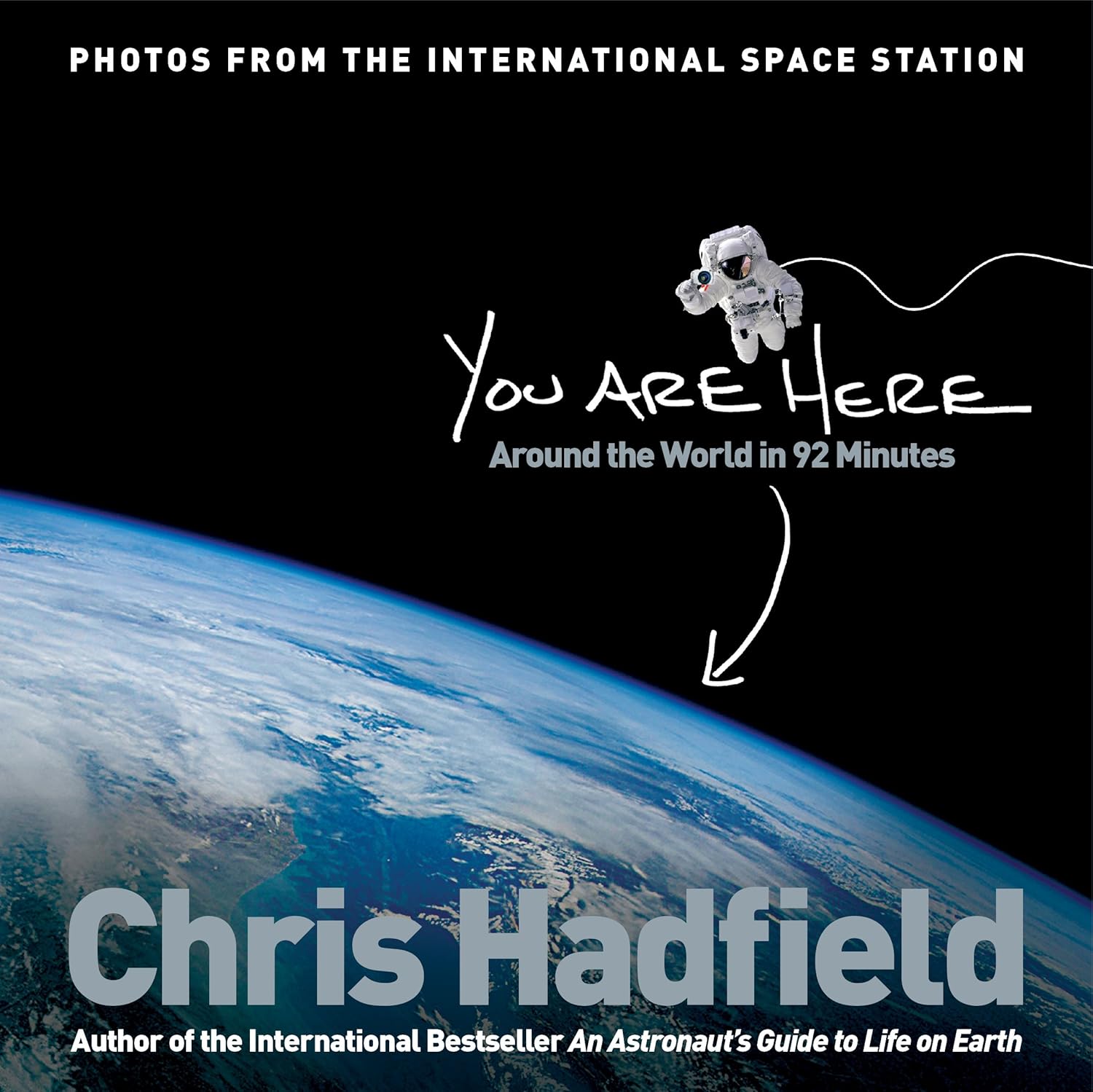
Pan Macmillan You Are Here: Around the World in 92 Minutes by Chris Hadfield - Paperback - Stunning ISS Photography of Earth from Space, 320 PagesJoin astronaut Chris Hadfield on a stunning photographic tour of planet Earth as seen from the International Space Station. This beautifully produced paperback features never-before-seen images alongside Hadfield's expert commentary, blending science, geography, and awe-inspiring visuals. You Are Here: Around the World in 92 Minutes follows the path of one idealised orbit of the International Space Station, taking readers on a 92-minute journey around the entire globe. Divided by continent, the book selects Hadfield's favourite photographs from thousands taken during his time in orbit, pairing each with insight drawn from his deep knowledge of space and the natural world. Published by Pan Macmillan, this book is a must-have for anyone who has ever looked up at the night sky and wondered what our world truly looks like from above.5,49 £*Shipping: 2,99 £Secure redirect to the provider
-
MACMILLAN Kim Scott Collection 2 Books Set Radical Respect & Radical Candor – Leadership, Communication & Workplace Culture GuidesThe Kim Scott Collection – 2 Books Set brings together two transformative leadership bestsellers: Radical Respect and Radical Candor. Written by acclaimed workplace expert Kim Scott, these books offer practical, honest, and empowering guidance for building stronger teams, better communication, and healthier workplace cultures. In Radical Candor, Scott introduces her now-famous framework:Care Personally + Challenge Directly.Learn how to deliver feedback effectively, build trust, and lead with clarity without becoming overly harsh or avoiding difficult conversations. In Radical Respect, Scott expands on inclusion, fairness, accountability and anti-bullying frameworks—showing readers how to build workplaces rooted in dignity, psychological safety, and genuine respect. Together, these books provide a complete roadmap for leaders, managers, HR teams and anyone who wants to communicate better, lead with courage, and create workplaces where people thrive.6,99 £*Shipping: 2,99 £Secure redirect to the provider
-
The Readers Paradise Counseling Skills For Managers by Prof. N.K. Daniel - Paperback - Leadership, Coaching & Workplace Ethics Guide for Managers and HR ProfessionalsCounseling Skills For Managers is a practical guide that helps leaders develop essential counseling skills for the workplace. Written for managers, team leads, HR professionals, and aspiring executives, it covers foundational counseling theory and its strategic application in corporate settings. The book teaches readers how to listen with empathy, structure coaching conversations, resolve role conflicts, and support colleagues through change and difficulty, all while maintaining clear ethical boundaries. This guide is a valuable addition to any professional development or leadership library, offering a unique blend of psychology and management principles in an accessible format.2,99 £*Shipping: 2,99 £Secure redirect to the provider
-
Can I see the ISS?
Yes, the International Space Station (ISS) is visible from Earth and can be seen with the naked eye. The best time to see the ISS is during the early morning or evening when the sky is dark but the sun is still reflecting off the station. You can use websites or apps that track the ISS's location to know when it will be visible from your location. Keep in mind that the visibility of the ISS depends on weather conditions and the station's orbit. **
-
How is the ISS heated?
The International Space Station (ISS) is heated using a combination of methods. The primary source of heat comes from the station's solar panels, which convert sunlight into electricity to power heaters throughout the station. Additionally, the ISS has a complex system of pipes that circulate a special coolant to transfer heat away from sensitive equipment and distribute it to other areas of the station. This combination of solar power and a sophisticated thermal control system helps to maintain a comfortable temperature for the astronauts and keep the station's systems functioning properly in the extreme conditions of space. **
-
Is smoking allowed on the ISS?
No, smoking is not allowed on the International Space Station (ISS) due to the confined and controlled environment of the spacecraft. Smoking poses a serious fire hazard and can compromise the safety of the crew and the station itself. Additionally, smoking in space can have negative health effects on astronauts due to the limited ventilation and recycled air on the ISS. **
-
What acceleration does the ISS experience?
The International Space Station (ISS) experiences an acceleration due to the gravitational force of Earth, which is approximately 9.81 m/s^2. This acceleration keeps the ISS in orbit around the Earth, counteracting the force of gravity and allowing it to maintain a constant speed and altitude. Additionally, the ISS may also experience small accelerations due to the effects of atmospheric drag and the occasional thruster firings for reboosting its orbit. **
Similar search terms for Iss
-
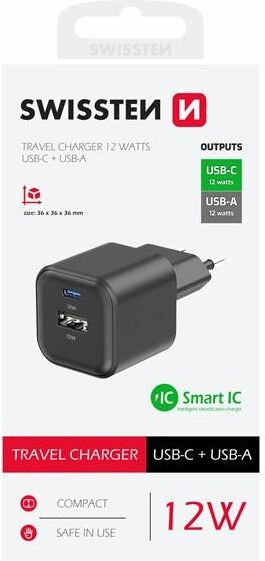
SWISSTEN 22071510 Charger Device, mobile communicationPlug Type: Schuko; Connectors/Plugs: USB type-C, USB; Charge Mode: GaN, PD; Overcharging protection: Yes; Overheating protection: Yes; Short Circuit Protection: Yes; Colour: black; Number of inlets/outlets: 2; Power [W]: 127,29 £*Shipping: 8,45 £Secure redirect to the provider
-
What forces act on the ISS?
The International Space Station (ISS) experiences several forces while in orbit around the Earth. The primary force acting on the ISS is the gravitational force, which keeps it in orbit around the Earth. Additionally, the ISS experiences a small amount of atmospheric drag due to the thin atmosphere at its orbital altitude. The ISS also experiences forces from solar radiation and the Earth's magnetic field. Finally, the ISS is affected by the occasional thruster firings or reboosts to maintain its orbit. **
-
Why should the ISS be discontinued?
There are several reasons why the ISS should be discontinued. Firstly, the ISS is aging and requires constant maintenance and repair, which is becoming increasingly costly and time-consuming. Secondly, the ISS has already served its purpose as a platform for scientific research and international collaboration, and it may be more cost-effective to invest in newer space technologies and missions. Lastly, discontinuing the ISS could free up resources and funding for future space exploration endeavors, such as returning to the Moon or sending humans to Mars. **
-
What are facts about the ISS?
The International Space Station (ISS) is a habitable artificial satellite that orbits Earth. It serves as a microgravity and space environment research laboratory where scientific research is conducted in astrobiology, astronomy, meteorology, physics, and other fields. The ISS is a joint project involving multiple countries, including the United States, Russia, Europe, Japan, and Canada. It has been continuously inhabited by astronauts since November 2000, making it one of the longest continuously inhabited human outposts in space. **
-
Did I photograph the ISS here?
Without the specific image or context, it is difficult to determine if you photographed the International Space Station (ISS). The ISS is visible from Earth and can be photographed with the right equipment and timing. If you captured a fast-moving bright object in the night sky, it is possible that it could be the ISS. However, without more information or the actual image, it is hard to confirm if it is indeed the ISS. **
* All prices are inclusive of VAT and, if applicable, plus shipping costs. The offer information is based on the details provided by the respective shop and is updated through automated processes. Real-time updates do not occur, so deviations can occur in individual cases. ** Note: Parts of this content were created by AI.