Buy kollegen.eu ?
We are moving the project
kollegen.eu .
Are you interested in purchasing the domain
kollegen.eu ?
domain@kv-gmbh.de · 0541-91531010
Buy kollegen.eu ?
Which plants grow in the subtropical zone?
Plants that grow in the subtropical zone include a wide variety of species such as citrus fruits (lemons, oranges, and grapefruits), avocado trees, banana plants, bamboo, palm trees, and various types of tropical flowers like hibiscus and bougainvillea. These plants thrive in the warm, humid climate of the subtropical zone and are well adapted to the long growing season and occasional frosts. Additionally, many subtropical plants are known for their lush foliage and vibrant, colorful blooms. **
What survival techniques do subtropical animals have?
Subtropical animals have developed various survival techniques to thrive in their environment. Some of these techniques include camouflage to blend in with their surroundings, such as the chameleon's ability to change color. Others have adapted to the heat and humidity by being more active at night or seeking out shade during the hottest parts of the day. Additionally, many subtropical animals have developed specialized ways of obtaining water, such as the kangaroo rat's ability to extract moisture from the seeds it eats. Overall, these animals have evolved a range of strategies to survive and thrive in their subtropical habitats. **


Similar search terms for Subtropical
Top-Angebote
Products related to Subtropical:


-
How do people live in the subtropical zone?
People living in the subtropical zone typically experience hot and humid summers, with mild winters. They often adapt by wearing light clothing, using air conditioning to stay cool, and seeking shade during the hottest parts of the day. Agriculture in the subtropical zone is diverse, with crops like citrus fruits, rice, and sugarcane being commonly grown. Overall, life in the subtropical zone involves a balance of staying cool in the summer heat and enjoying the milder temperatures of the winter months. **
-
What plants are found in the subtropical zone?
Some plants commonly found in the subtropical zone include palm trees, citrus fruits (such as oranges and lemons), bamboo, banana plants, and various types of ferns. **
-
How do subtropical deserts and coastal deserts form?
Subtropical deserts form due to the combination of high pressure systems and the Earth's rotation, which creates dry, descending air that inhibits cloud formation and precipitation. These deserts are typically located around 30 degrees latitude north and south of the equator. Coastal deserts form in areas where cold ocean currents create stable atmospheric conditions, leading to minimal rainfall and arid conditions along the coast. These deserts are often found on the western coasts of continents, such as the Atacama Desert in South America and the Namib Desert in Africa. **
-
How many animals live in the subtropical zone?
The number of animals living in the subtropical zone is difficult to determine precisely, as it encompasses a wide range of ecosystems and habitats. However, the subtropical zone is known for its high biodiversity, and it is estimated that there are thousands of animal species living in this region. These include a variety of mammals, birds, reptiles, amphibians, and insects, many of which are unique to the subtropical climate. The diverse range of habitats, from forests to grasslands to wetlands, supports a rich and varied animal population in the subtropical zone. **

How does the subtropical high-pressure belt form?
The subtropical high-pressure belt forms as a result of the sinking air at around 30 degrees latitude in both hemispheres. This sinking air creates an area of high pressure at the surface, as the air warms and becomes denser. The Coriolis effect also plays a role in the formation of the subtropical high-pressure belt, causing the air to diverge and create a stable, high-pressure system. This belt is responsible for the generally dry and stable weather conditions found in many subtropical regions. **
What causes the subtropical high-pressure belts to dissolve?
The subtropical high-pressure belts dissolve due to the movement of the Earth's atmosphere and changes in atmospheric circulation patterns. One of the main factors is the shifting of the jet streams, which can disrupt the stability of the high-pressure systems. Additionally, the influence of weather systems such as low-pressure systems and tropical cyclones can also weaken and break down the subtropical high-pressure belts. Overall, the dissolution of these high-pressure systems is a natural part of the Earth's atmospheric dynamics and can lead to changes in weather patterns. **
Top-Angebote
Products related to Subtropical:
-
MACMILLAN Kim Scott Collection 2 Books Set Radical Respect & Radical Candor – Leadership, Communication & Workplace Culture GuidesThe Kim Scott Collection – 2 Books Set brings together two transformative leadership bestsellers: Radical Respect and Radical Candor. Written by acclaimed workplace expert Kim Scott, these books offer practical, honest, and empowering guidance for building stronger teams, better communication, and healthier workplace cultures. In Radical Candor, Scott introduces her now-famous framework:Care Personally + Challenge Directly.Learn how to deliver feedback effectively, build trust, and lead with clarity without becoming overly harsh or avoiding difficult conversations. In Radical Respect, Scott expands on inclusion, fairness, accountability and anti-bullying frameworks—showing readers how to build workplaces rooted in dignity, psychological safety, and genuine respect. Together, these books provide a complete roadmap for leaders, managers, HR teams and anyone who wants to communicate better, lead with courage, and create workplaces where people thrive.6,99 £*Shipping: 2,99 £Secure redirect to the provider
-
The Readers Paradise Counseling Skills For Managers by Prof. N.K. Daniel - Paperback - Leadership, Coaching & Workplace Ethics Guide for Managers and HR ProfessionalsCounseling Skills For Managers is a practical guide that helps leaders develop essential counseling skills for the workplace. Written for managers, team leads, HR professionals, and aspiring executives, it covers foundational counseling theory and its strategic application in corporate settings. The book teaches readers how to listen with empathy, structure coaching conversations, resolve role conflicts, and support colleagues through change and difficulty, all while maintaining clear ethical boundaries. This guide is a valuable addition to any professional development or leadership library, offering a unique blend of psychology and management principles in an accessible format.2,99 £*Shipping: 2,99 £Secure redirect to the provider
-
Which plants grow in the subtropical zone?
Plants that grow in the subtropical zone include a wide variety of species such as citrus fruits (lemons, oranges, and grapefruits), avocado trees, banana plants, bamboo, palm trees, and various types of tropical flowers like hibiscus and bougainvillea. These plants thrive in the warm, humid climate of the subtropical zone and are well adapted to the long growing season and occasional frosts. Additionally, many subtropical plants are known for their lush foliage and vibrant, colorful blooms. **
-
What survival techniques do subtropical animals have?
Subtropical animals have developed various survival techniques to thrive in their environment. Some of these techniques include camouflage to blend in with their surroundings, such as the chameleon's ability to change color. Others have adapted to the heat and humidity by being more active at night or seeking out shade during the hottest parts of the day. Additionally, many subtropical animals have developed specialized ways of obtaining water, such as the kangaroo rat's ability to extract moisture from the seeds it eats. Overall, these animals have evolved a range of strategies to survive and thrive in their subtropical habitats. **
-
How do people live in the subtropical zone?
People living in the subtropical zone typically experience hot and humid summers, with mild winters. They often adapt by wearing light clothing, using air conditioning to stay cool, and seeking shade during the hottest parts of the day. Agriculture in the subtropical zone is diverse, with crops like citrus fruits, rice, and sugarcane being commonly grown. Overall, life in the subtropical zone involves a balance of staying cool in the summer heat and enjoying the milder temperatures of the winter months. **
-
What plants are found in the subtropical zone?
Some plants commonly found in the subtropical zone include palm trees, citrus fruits (such as oranges and lemons), bamboo, banana plants, and various types of ferns. **
Similar search terms for Subtropical
-
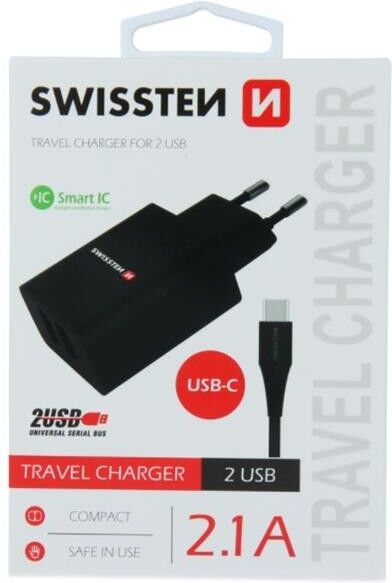
SWISSTEN 22071500 Charger Device, mobile communicationPlug Type: Schuko; Connectors/Plugs: USB, USB type-C; Charge Mode: GaN, PD; Overcharging protection: Yes; Overheating protection: Yes; Short Circuit Protection: Yes; Colour: white; Power [W]: 12; Number of inlets/outlets: 27,29 £*Shipping: 8,45 £Secure redirect to the provider
-
How do subtropical deserts and coastal deserts form?
Subtropical deserts form due to the combination of high pressure systems and the Earth's rotation, which creates dry, descending air that inhibits cloud formation and precipitation. These deserts are typically located around 30 degrees latitude north and south of the equator. Coastal deserts form in areas where cold ocean currents create stable atmospheric conditions, leading to minimal rainfall and arid conditions along the coast. These deserts are often found on the western coasts of continents, such as the Atacama Desert in South America and the Namib Desert in Africa. **
-
How many animals live in the subtropical zone?
The number of animals living in the subtropical zone is difficult to determine precisely, as it encompasses a wide range of ecosystems and habitats. However, the subtropical zone is known for its high biodiversity, and it is estimated that there are thousands of animal species living in this region. These include a variety of mammals, birds, reptiles, amphibians, and insects, many of which are unique to the subtropical climate. The diverse range of habitats, from forests to grasslands to wetlands, supports a rich and varied animal population in the subtropical zone. **
-
How does the subtropical high-pressure belt form?
The subtropical high-pressure belt forms as a result of the sinking air at around 30 degrees latitude in both hemispheres. This sinking air creates an area of high pressure at the surface, as the air warms and becomes denser. The Coriolis effect also plays a role in the formation of the subtropical high-pressure belt, causing the air to diverge and create a stable, high-pressure system. This belt is responsible for the generally dry and stable weather conditions found in many subtropical regions. **
-
What causes the subtropical high-pressure belts to dissolve?
The subtropical high-pressure belts dissolve due to the movement of the Earth's atmosphere and changes in atmospheric circulation patterns. One of the main factors is the shifting of the jet streams, which can disrupt the stability of the high-pressure systems. Additionally, the influence of weather systems such as low-pressure systems and tropical cyclones can also weaken and break down the subtropical high-pressure belts. Overall, the dissolution of these high-pressure systems is a natural part of the Earth's atmospheric dynamics and can lead to changes in weather patterns. **
* All prices are inclusive of VAT and, if applicable, plus shipping costs. The offer information is based on the details provided by the respective shop and is updated through automated processes. Real-time updates do not occur, so deviations can occur in individual cases. ** Note: Parts of this content were created by AI.