Buy kollegen.eu ?
We are moving the project
kollegen.eu .
Are you interested in purchasing the domain
kollegen.eu ?
domain@kv-gmbh.de · 0541-91531010
Buy kollegen.eu ?
What is BitLocker TPM?
BitLocker TPM (Trusted Platform Module) is a security feature in Windows operating systems that uses a hardware component called TPM to provide enhanced protection for data stored on a computer's hard drive. TPM is a microchip that securely stores encryption keys, passwords, and other sensitive information to help protect against unauthorized access to the system. When BitLocker TPM is enabled, the encryption keys are securely stored in the TPM, making it more difficult for attackers to access the data even if they physically remove the hard drive from the computer. **
Can't you activate TPM?
Yes, TPM (Trusted Platform Module) can be activated on compatible devices through the device's BIOS settings. However, not all devices have TPM built-in, so it's important to check the device's specifications to see if TPM is available. Once activated, TPM provides hardware-based security features such as secure boot, device encryption, and key management to help protect sensitive data and ensure the integrity of the system. **


Similar search terms for Tpm
Top-Angebote
Products related to Tpm:


-
What exactly is TPM 2.0?
TPM 2.0, which stands for Trusted Platform Module 2.0, is a hardware-based security feature that provides a secure foundation for various security functions, such as encryption, authentication, and key management. It is a microcontroller that is typically integrated into computer systems to enhance security by securely storing sensitive information, such as encryption keys, digital certificates, and passwords. TPM 2.0 helps protect against various security threats, including unauthorized access, malware attacks, and data breaches, by providing a secure environment for sensitive data and cryptographic operations. **
-
How do I activate TPM?
To activate TPM (Trusted Platform Module) on your computer, you will need to access the BIOS or UEFI settings. Restart your computer and enter the BIOS/UEFI by pressing a specific key (usually F2, F10, or Del) during the boot-up process. Look for the TPM settings in the security or advanced settings section and enable TPM. Save the changes and exit the BIOS/UEFI settings. TPM should now be activated on your computer. **
-
How can one delete TPM?
To delete TPM (Trusted Platform Module) on a computer, you would need to access the computer's BIOS or UEFI settings. Once in the settings, you can navigate to the security or TPM section and find the option to clear or reset the TPM. This will remove any existing TPM data and settings from the computer. It's important to note that deleting TPM may have implications for the computer's security and functionality, so it should only be done if necessary and with caution. **
-
Does it support TPM 2.0?
Yes, the device supports TPM 2.0. TPM (Trusted Platform Module) 2.0 is a security feature that provides hardware-based security functions, such as cryptographic keys and secure boot, to help protect the device from unauthorized access and tampering. This ensures that the device has a secure foundation for running trusted applications and protecting sensitive data. **

How can I update TPM?
To update TPM (Trusted Platform Module), you can follow these steps: 1. Check for TPM firmware updates on the manufacturer's website or through the device's management software. 2. Download the latest TPM firmware update and follow the instructions provided by the manufacturer for installation. 3. Ensure that your device is connected to a stable power source and that all other applications are closed during the update process. 4. Restart your device after the update is complete to ensure that the changes take effect. It's important to regularly check for TPM updates to ensure that your device has the latest security features and bug fixes. **
Which one fits with TPM 20?
TPM 2.0 (Trusted Platform Module 2.0) is a hardware-based security solution that is designed to provide a secure foundation for various computing devices. It is typically integrated into the motherboard of a device and provides features such as secure boot, cryptographic key generation and storage, and hardware-based device authentication. TPM 2.0 is designed to enhance the security of devices and protect against various types of attacks, making it a suitable choice for organizations and individuals looking to secure their computing infrastructure. **
Top-Angebote
Products related to Tpm:
-
MACMILLAN Kim Scott Collection 2 Books Set Radical Respect & Radical Candor – Leadership, Communication & Workplace Culture GuidesThe Kim Scott Collection – 2 Books Set brings together two transformative leadership bestsellers: Radical Respect and Radical Candor. Written by acclaimed workplace expert Kim Scott, these books offer practical, honest, and empowering guidance for building stronger teams, better communication, and healthier workplace cultures. In Radical Candor, Scott introduces her now-famous framework:Care Personally + Challenge Directly.Learn how to deliver feedback effectively, build trust, and lead with clarity without becoming overly harsh or avoiding difficult conversations. In Radical Respect, Scott expands on inclusion, fairness, accountability and anti-bullying frameworks—showing readers how to build workplaces rooted in dignity, psychological safety, and genuine respect. Together, these books provide a complete roadmap for leaders, managers, HR teams and anyone who wants to communicate better, lead with courage, and create workplaces where people thrive.6,99 £*Shipping: 2,99 £Secure redirect to the provider
-
The Readers Paradise Counseling Skills For Managers by Prof. N.K. Daniel - Paperback - Leadership, Coaching & Workplace Ethics Guide for Managers and HR ProfessionalsCounseling Skills For Managers is a practical guide that helps leaders develop essential counseling skills for the workplace. Written for managers, team leads, HR professionals, and aspiring executives, it covers foundational counseling theory and its strategic application in corporate settings. The book teaches readers how to listen with empathy, structure coaching conversations, resolve role conflicts, and support colleagues through change and difficulty, all while maintaining clear ethical boundaries. This guide is a valuable addition to any professional development or leadership library, offering a unique blend of psychology and management principles in an accessible format.2,99 £*Shipping: 2,99 £Secure redirect to the provider
-
What is BitLocker TPM?
BitLocker TPM (Trusted Platform Module) is a security feature in Windows operating systems that uses a hardware component called TPM to provide enhanced protection for data stored on a computer's hard drive. TPM is a microchip that securely stores encryption keys, passwords, and other sensitive information to help protect against unauthorized access to the system. When BitLocker TPM is enabled, the encryption keys are securely stored in the TPM, making it more difficult for attackers to access the data even if they physically remove the hard drive from the computer. **
-
Can't you activate TPM?
Yes, TPM (Trusted Platform Module) can be activated on compatible devices through the device's BIOS settings. However, not all devices have TPM built-in, so it's important to check the device's specifications to see if TPM is available. Once activated, TPM provides hardware-based security features such as secure boot, device encryption, and key management to help protect sensitive data and ensure the integrity of the system. **
-
What exactly is TPM 2.0?
TPM 2.0, which stands for Trusted Platform Module 2.0, is a hardware-based security feature that provides a secure foundation for various security functions, such as encryption, authentication, and key management. It is a microcontroller that is typically integrated into computer systems to enhance security by securely storing sensitive information, such as encryption keys, digital certificates, and passwords. TPM 2.0 helps protect against various security threats, including unauthorized access, malware attacks, and data breaches, by providing a secure environment for sensitive data and cryptographic operations. **
-
How do I activate TPM?
To activate TPM (Trusted Platform Module) on your computer, you will need to access the BIOS or UEFI settings. Restart your computer and enter the BIOS/UEFI by pressing a specific key (usually F2, F10, or Del) during the boot-up process. Look for the TPM settings in the security or advanced settings section and enable TPM. Save the changes and exit the BIOS/UEFI settings. TPM should now be activated on your computer. **
Similar search terms for Tpm
-
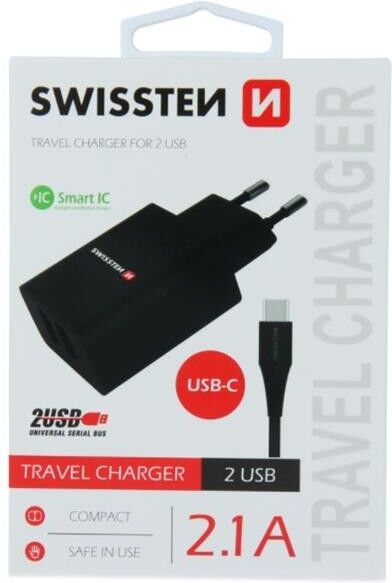
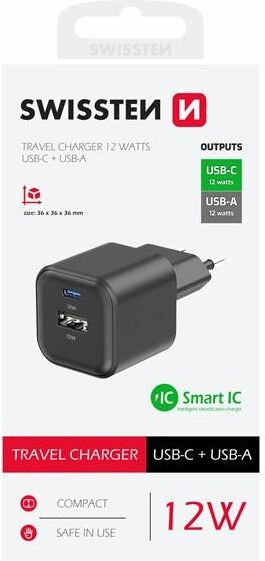
SWISSTEN 22071510 Charger Device, mobile communicationPlug Type: Schuko; Connectors/Plugs: USB type-C, USB; Charge Mode: GaN, PD; Overcharging protection: Yes; Overheating protection: Yes; Short Circuit Protection: Yes; Colour: black; Number of inlets/outlets: 2; Power [W]: 127,29 £*Shipping: 8,45 £Secure redirect to the provider
-
Rupa Publications India Bee-come Indispensable: 15 Workplace Lessons from the Bees by John Britt & Jan Green - Business & Workplace Non Fiction PaperbackDiscover the secrets of a thriving workplace with Bee-come Indispensable: 15 Workplace Lessons from the Bees. Written by John Britt and Jan Green, this witty business parable uses the inner workings of a beehive to explore what it takes to become a valued, trusted employee or manager. The book blends storytelling with practical workplace advice, showing readers how alignment, collaboration, and contribution keep an organization thriving. Inside a beehive, every bee has a role to play, and the colony only produces its best honey when each member works in sync with the needs of the group. Britt and Green use this natural metaphor to unpack the challenges faced inside modern workplaces, from meeting deadlines and hitting targets to building trust with managers and leadership. The book is structured around fifteen distinct lessons that offer valuable insights for anyone looking to make themselves indispensable to their team.4,99 £*Shipping: 2,99 £Secure redirect to the provider
-
How can one delete TPM?
To delete TPM (Trusted Platform Module) on a computer, you would need to access the computer's BIOS or UEFI settings. Once in the settings, you can navigate to the security or TPM section and find the option to clear or reset the TPM. This will remove any existing TPM data and settings from the computer. It's important to note that deleting TPM may have implications for the computer's security and functionality, so it should only be done if necessary and with caution. **
-
Does it support TPM 2.0?
Yes, the device supports TPM 2.0. TPM (Trusted Platform Module) 2.0 is a security feature that provides hardware-based security functions, such as cryptographic keys and secure boot, to help protect the device from unauthorized access and tampering. This ensures that the device has a secure foundation for running trusted applications and protecting sensitive data. **
-
How can I update TPM?
To update TPM (Trusted Platform Module), you can follow these steps: 1. Check for TPM firmware updates on the manufacturer's website or through the device's management software. 2. Download the latest TPM firmware update and follow the instructions provided by the manufacturer for installation. 3. Ensure that your device is connected to a stable power source and that all other applications are closed during the update process. 4. Restart your device after the update is complete to ensure that the changes take effect. It's important to regularly check for TPM updates to ensure that your device has the latest security features and bug fixes. **
-
Which one fits with TPM 20?
TPM 2.0 (Trusted Platform Module 2.0) is a hardware-based security solution that is designed to provide a secure foundation for various computing devices. It is typically integrated into the motherboard of a device and provides features such as secure boot, cryptographic key generation and storage, and hardware-based device authentication. TPM 2.0 is designed to enhance the security of devices and protect against various types of attacks, making it a suitable choice for organizations and individuals looking to secure their computing infrastructure. **
* All prices are inclusive of VAT and, if applicable, plus shipping costs. The offer information is based on the details provided by the respective shop and is updated through automated processes. Real-time updates do not occur, so deviations can occur in individual cases. ** Note: Parts of this content were created by AI.