Buy kollegen.eu ?
We are moving the project
kollegen.eu .
Are you interested in purchasing the domain
kollegen.eu ?
domain@kv-gmbh.de · 0541-91531010
Buy kollegen.eu ?
Is the budgerigar a vertebrate?
Yes, the budgerigar, also known as the common pet parakeet, is a vertebrate. It belongs to the class Aves, which includes all birds, and birds are vertebrates because they have a backbone and a well-developed internal skeleton. Therefore, the budgerigar is indeed a vertebrate. **
What is the largest land-dwelling vertebrate?
The largest land-dwelling vertebrate is the African bush elephant (Loxodonta africana). These majestic creatures can weigh up to 12,000 pounds and stand over 13 feet tall at the shoulder. They are known for their large ears, long tusks, and trunk, which they use for various tasks such as communication, gathering food, and drinking water. African bush elephants are herbivores and can be found in various habitats across sub-Saharan Africa. **


Similar search terms for Vertebrate
Top-Angebote
Products related to Vertebrate:


-
Why is a ladybug not a vertebrate?
A ladybug is not a vertebrate because it does not have a backbone or a spinal column. Ladybugs belong to the invertebrate group of animals, which make up the vast majority of animal species on Earth. Invertebrates lack a vertebral column and instead have exoskeletons or other structural support systems to protect their bodies. Ladybugs, like other insects, have an exoskeleton made of a hard outer shell called an exoskeleton, which provides support and protection for their bodies. **
-
What is the correct order of vertebrate classes?
The correct order of vertebrate classes is as follows: Agnatha (jawless fish), Chondrichthyes (cartilaginous fish), Osteichthyes (bony fish), Amphibia (amphibians), Reptilia (reptiles), Aves (birds), and Mammalia (mammals). This order reflects the evolutionary progression of vertebrates from the most primitive jawless fish to the more advanced mammals. Each class has unique characteristics and adaptations that have allowed them to thrive in different environments. **
-
What is the correct order of the vertebrate classes?
The correct order of the vertebrate classes is as follows: Agnatha (jawless fish), Chondrichthyes (cartilaginous fish), Osteichthyes (bony fish), Amphibia (amphibians), Reptilia (reptiles), Aves (birds), and Mammalia (mammals). This order represents the evolutionary progression of vertebrates, with each class building upon the characteristics of the previous one. **
-
Why does humans belong to both the vertebrate and mammal family groups?
Humans belong to both the vertebrate and mammal family groups because they possess a backbone, which is a defining characteristic of vertebrates. Additionally, humans have mammary glands that produce milk to nourish their young, which is a key characteristic of mammals. These shared characteristics place humans within the broader categories of vertebrates and mammals, highlighting their evolutionary relationships with other species in these groups. **
Why does the human belong to both the vertebrate and mammal kinship groups?
The human belongs to both the vertebrate and mammal kinship groups because they possess the defining characteristics of both groups. As a vertebrate, humans have a backbone and an internal skeleton made of bone or cartilage. As a mammal, humans have mammary glands, hair, and a neocortex in the brain. These characteristics place humans within the broader classification of vertebrates and mammals, making them a part of both kinship groups. **
What does teamwork mean in the workplace?
Teamwork in the workplace means collaborating and working together with colleagues to achieve common goals and objectives. It involves sharing ideas, skills, and resources to solve problems and complete tasks more effectively and efficiently. Teamwork also requires effective communication, mutual respect, and a willingness to support and help each other. Ultimately, teamwork in the workplace fosters a positive and productive work environment where everyone can contribute their strengths and work towards a shared vision. **
Top-Angebote
Products related to Vertebrate:
-
MACMILLAN Kim Scott Collection 2 Books Set Radical Respect & Radical Candor – Leadership, Communication & Workplace Culture GuidesThe Kim Scott Collection – 2 Books Set brings together two transformative leadership bestsellers: Radical Respect and Radical Candor. Written by acclaimed workplace expert Kim Scott, these books offer practical, honest, and empowering guidance for building stronger teams, better communication, and healthier workplace cultures. In Radical Candor, Scott introduces her now-famous framework:Care Personally + Challenge Directly.Learn how to deliver feedback effectively, build trust, and lead with clarity without becoming overly harsh or avoiding difficult conversations. In Radical Respect, Scott expands on inclusion, fairness, accountability and anti-bullying frameworks—showing readers how to build workplaces rooted in dignity, psychological safety, and genuine respect. Together, these books provide a complete roadmap for leaders, managers, HR teams and anyone who wants to communicate better, lead with courage, and create workplaces where people thrive.6,99 £*Shipping: 2,99 £Secure redirect to the provider
-
The Readers Paradise Counseling Skills For Managers by Prof. N.K. Daniel - Paperback - Leadership, Coaching & Workplace Ethics Guide for Managers and HR ProfessionalsCounseling Skills For Managers is a practical guide that helps leaders develop essential counseling skills for the workplace. Written for managers, team leads, HR professionals, and aspiring executives, it covers foundational counseling theory and its strategic application in corporate settings. The book teaches readers how to listen with empathy, structure coaching conversations, resolve role conflicts, and support colleagues through change and difficulty, all while maintaining clear ethical boundaries. This guide is a valuable addition to any professional development or leadership library, offering a unique blend of psychology and management principles in an accessible format.2,99 £*Shipping: 2,99 £Secure redirect to the provider
-
Is the budgerigar a vertebrate?
Yes, the budgerigar, also known as the common pet parakeet, is a vertebrate. It belongs to the class Aves, which includes all birds, and birds are vertebrates because they have a backbone and a well-developed internal skeleton. Therefore, the budgerigar is indeed a vertebrate. **
-
What is the largest land-dwelling vertebrate?
The largest land-dwelling vertebrate is the African bush elephant (Loxodonta africana). These majestic creatures can weigh up to 12,000 pounds and stand over 13 feet tall at the shoulder. They are known for their large ears, long tusks, and trunk, which they use for various tasks such as communication, gathering food, and drinking water. African bush elephants are herbivores and can be found in various habitats across sub-Saharan Africa. **
-
Why is a ladybug not a vertebrate?
A ladybug is not a vertebrate because it does not have a backbone or a spinal column. Ladybugs belong to the invertebrate group of animals, which make up the vast majority of animal species on Earth. Invertebrates lack a vertebral column and instead have exoskeletons or other structural support systems to protect their bodies. Ladybugs, like other insects, have an exoskeleton made of a hard outer shell called an exoskeleton, which provides support and protection for their bodies. **
-
What is the correct order of vertebrate classes?
The correct order of vertebrate classes is as follows: Agnatha (jawless fish), Chondrichthyes (cartilaginous fish), Osteichthyes (bony fish), Amphibia (amphibians), Reptilia (reptiles), Aves (birds), and Mammalia (mammals). This order reflects the evolutionary progression of vertebrates from the most primitive jawless fish to the more advanced mammals. Each class has unique characteristics and adaptations that have allowed them to thrive in different environments. **
Similar search terms for Vertebrate
-
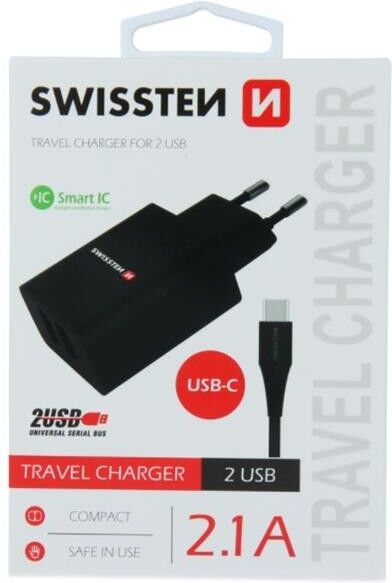
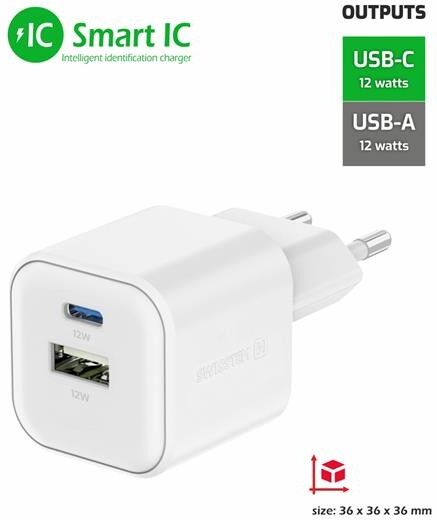
SWISSTEN 22071500 Charger Device, mobile communicationPlug Type: Schuko; Connectors/Plugs: USB, USB type-C; Charge Mode: GaN, PD; Overcharging protection: Yes; Overheating protection: Yes; Short Circuit Protection: Yes; Colour: white; Power [W]: 12; Number of inlets/outlets: 27,29 £*Shipping: 8,45 £Secure redirect to the provider
-
What is the correct order of the vertebrate classes?
The correct order of the vertebrate classes is as follows: Agnatha (jawless fish), Chondrichthyes (cartilaginous fish), Osteichthyes (bony fish), Amphibia (amphibians), Reptilia (reptiles), Aves (birds), and Mammalia (mammals). This order represents the evolutionary progression of vertebrates, with each class building upon the characteristics of the previous one. **
-
Why does humans belong to both the vertebrate and mammal family groups?
Humans belong to both the vertebrate and mammal family groups because they possess a backbone, which is a defining characteristic of vertebrates. Additionally, humans have mammary glands that produce milk to nourish their young, which is a key characteristic of mammals. These shared characteristics place humans within the broader categories of vertebrates and mammals, highlighting their evolutionary relationships with other species in these groups. **
-
Why does the human belong to both the vertebrate and mammal kinship groups?
The human belongs to both the vertebrate and mammal kinship groups because they possess the defining characteristics of both groups. As a vertebrate, humans have a backbone and an internal skeleton made of bone or cartilage. As a mammal, humans have mammary glands, hair, and a neocortex in the brain. These characteristics place humans within the broader classification of vertebrates and mammals, making them a part of both kinship groups. **
-
What does teamwork mean in the workplace?
Teamwork in the workplace means collaborating and working together with colleagues to achieve common goals and objectives. It involves sharing ideas, skills, and resources to solve problems and complete tasks more effectively and efficiently. Teamwork also requires effective communication, mutual respect, and a willingness to support and help each other. Ultimately, teamwork in the workplace fosters a positive and productive work environment where everyone can contribute their strengths and work towards a shared vision. **
* All prices are inclusive of VAT and, if applicable, plus shipping costs. The offer information is based on the details provided by the respective shop and is updated through automated processes. Real-time updates do not occur, so deviations can occur in individual cases. ** Note: Parts of this content were created by AI.